
The Evolution of the Colour Copier in Modern Offices
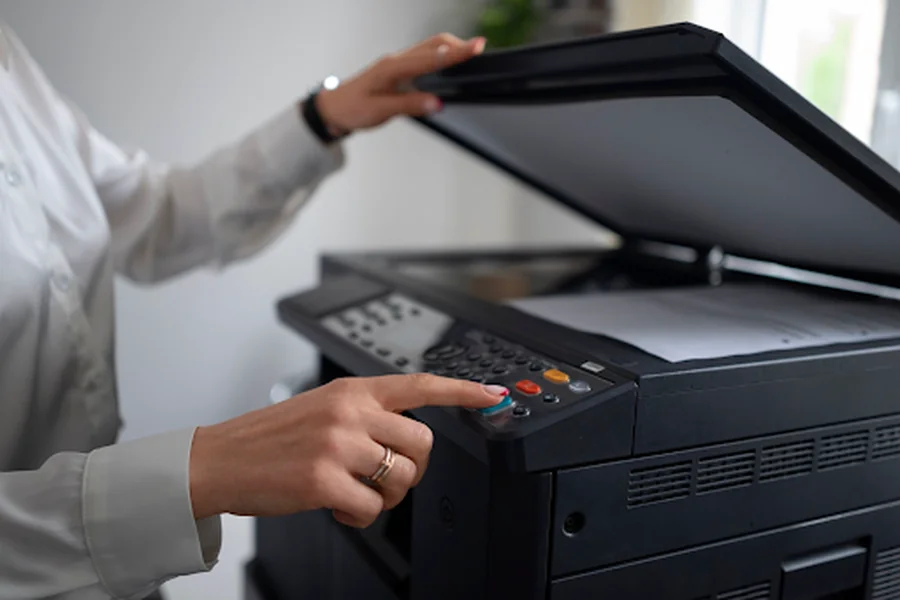
The colour copier has played a significant role in shaping how offices manage and produce documents over several decades. Modern businesses often rely on a colour copier to produce vibrant, professional-quality documents quickly and efficiently. Initially introduced as simple devices capable of producing black-and-white copies, these machines have transformed into multifunctional equipment combining printing, scanning, copying, and faxing into a single platform. Their development reflects broader trends in office automation, digital integration, and the need for more efficient workflows, making them a familiar presence in businesses of all sizes.
From Monochrome to Colour
Early photocopiers were limited to monochrome output, reflecting the technological and financial constraints of the time. The invention of xerography by Chester Carlson in the 1930s laid the foundation for document reproduction, but colour copying remained largely impractical for everyday office use until several decades later. Advances in toner technology and drum systems eventually enabled the production of full-colour images, allowing organisations to create visually engaging marketing materials, reports, and internal documents directly in-house.
This shift to colour output affected not only the appearance of documents but also the efficiency of office operations. Staff could manage multiple document types without relying on external printing services, reducing turnaround times and supporting more immediate communication and presentation needs. Colour copiers became tools that addressed both practical and professional demands, reflecting the increasing complexity of business operations.
Connection to Digital Networks
As workplaces adopted digital systems, the role of copiers expanded beyond simple duplication. Modern colour copiers are designed to connect seamlessly to office networks and cloud storage solutions, allowing documents to be scanned, stored, and shared digitally. This connectivity reduces the reliance on physical filing and supports flexible work arrangements, including remote access to essential documents.
Security features have become standard in these devices. User authentication, encrypted communication, and access controls protect sensitive information, which is particularly relevant in industries that handle confidential data. By combining convenience with data protection, these copiers bridge the gap between traditional paper-based processes and modern digital workflows.
Focus on Sustainability
Environmental concerns have influenced the design and operation of office equipment, including colour copiers. Manufacturers have responded with machines that consume less power, use non-toxic materials, and incorporate recyclable or refillable consumables. Energy-efficient modes, such as automatic sleep settings and double-sided printing, help reduce resource use and operational costs. Programmes for refurbishing old devices contribute to longer product lifespans and reduce electronic waste.
These approaches demonstrate a shift towards equipment that supports both productivity and environmental responsibility. Offices can maintain high-quality printing capabilities while also aligning with sustainability initiatives and corporate social responsibility goals.
User Experience and Customisation
Ease of use has become a defining characteristic of contemporary colour copiers. Touchscreen interfaces, intuitive menus, and personalised dashboards allow staff with varying levels of technical skill to operate these devices effectively. Customisation features support a range of office activities, from secure printing to mobile printing and workflow automation.
Software updates expand functionality over time, ensuring that the machines remain compatible with evolving business needs. The combination of user-friendly design and adaptable software helps teams complete tasks efficiently while reducing the learning curve for new employees.
Printing Technology and Quality
Colour copiers employ a variety of printing methods to meet the diverse requirements of modern offices. Laser technology delivers fast, precise output suitable for high-volume tasks, while inkjet systems excel at producing high-resolution images with complex colour gradients. Each approach carries different advantages in terms of speed, quality, and cost per page, allowing businesses to select equipment that matches their operational priorities.
Continuous refinement of these technologies ensures that print quality remains consistent and professional. Improvements in colour accuracy and image fidelity are particularly important for industries where presentation and branding play a critical role.
Supporting Collaboration
Collaboration is a central aspect of contemporary work, and colour copiers contribute to this by facilitating shared document handling. Scanning functions that include optical character recognition convert printed materials into editable digital files, making it easier to integrate paper documents into digital workflows. Some devices offer direct email and cloud upload capabilities, streamlining communication between team members and departments.
These functions reduce the number of steps required to distribute and review materials, promoting more efficient teamwork and allowing projects to progress smoothly. By connecting physical and digital workflows, colour copiers support organisational productivity in a practical way.
Long-Term Value and Cost Management
Investing in a well-designed colour copier can reduce operational complexity and cost. Although initial expenditure may be significant, the ability to handle multiple functions in a single machine often offsets the need for additional devices. Regular maintenance, component upgrades, and software updates extend the life of the equipment, allowing organisations to adapt to new requirements without replacing entire systems.
By offering reliability and long-term usability, these machines deliver value that goes beyond immediate productivity gains. Their design accommodates growing and changing office demands, providing a stable foundation for document management across years of use.
Conclusion
The evolution of the colour copier reflects broader changes in office practices, technology, and organisational priorities. From the first monochrome machines to modern multifunctional devices integrated with digital networks, these copiers have transformed how documents are produced, shared, and managed. Environmental initiatives and user-focused design have influenced both the physical and operational aspects of these machines, resulting in tools that are efficient, flexible, and sustainable.
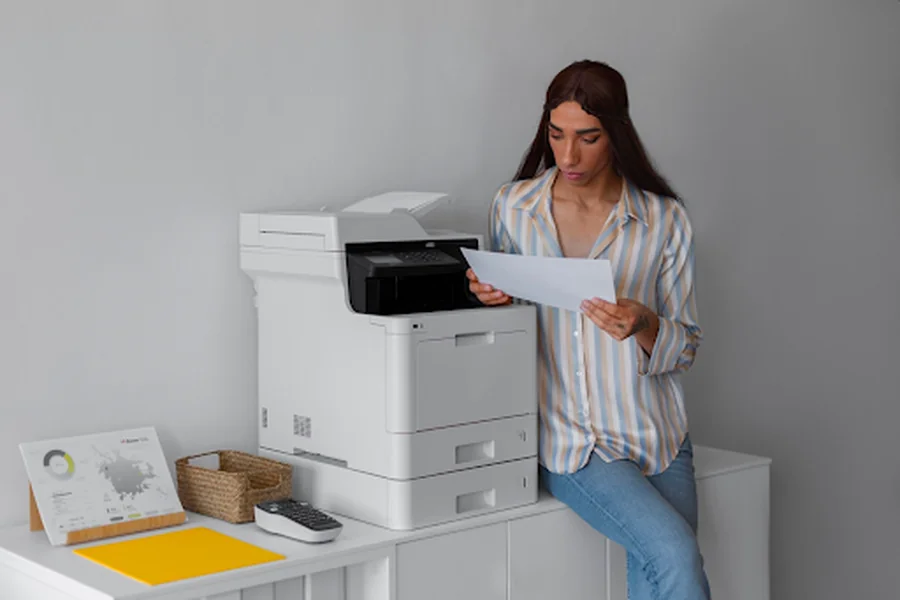
As businesses continue to embrace digital systems and collaborative workflows, colour copiers remain an important part of office infrastructure. Their adaptability, connectivity, and quality output make them valuable assets for any organisation seeking to balance productivity with responsible resource use. Ongoing technological improvements promise further enhancements, allowing these devices to meet the needs of evolving workplaces while supporting consistent, high-quality document production.