
How to Eat Caviar the Right Way: A Step-by-Step Guide
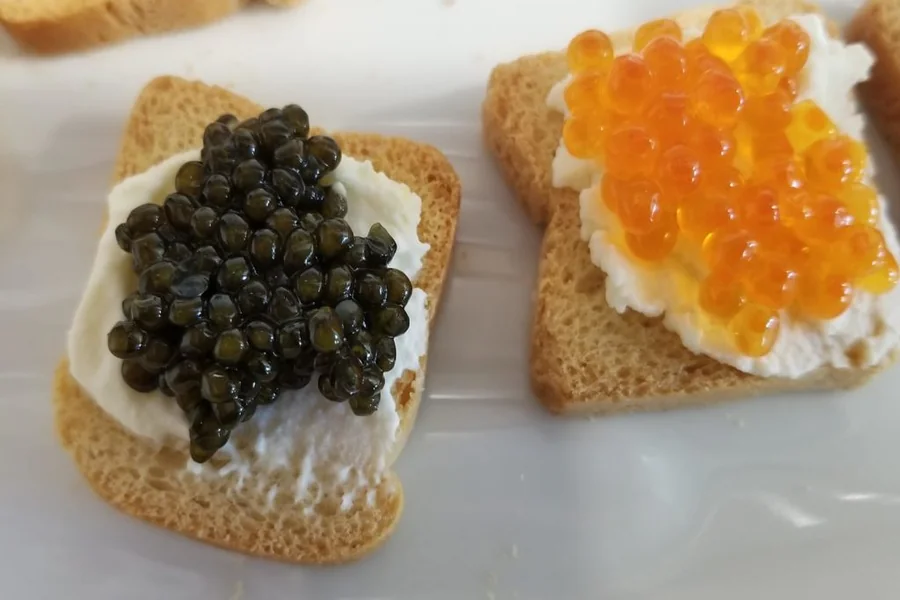
Caviar has long been associated with luxury, elegance, and indulgence. From royal banquets to modern fine dining, this delicacy, made from the salted eggs of sturgeon and other fish, is prized for its unique texture, subtle flavor, and rich history. However, many people feel intimidated by caviar, unsure how to properly enjoy it. Fear not—eating caviar is less about rules and more about enhancing your sensory experience. Here’s a step-by-step guide to savoring this exquisite treat.
1. Choose the Right Caviar
The first step in enjoying caviar is selecting a high-quality variety. While there are numerous types, some of the most popular include Beluga, Osetra, and Sevruga, each with distinct flavor profiles. Beluga caviar is known for its large, soft eggs and delicate, buttery taste. Osetra has a nutty flavor with medium-sized eggs, while Sevruga offers a stronger, saltier flavor with smaller eggs. Your choice will depend on your personal palate and budget.
When purchasing caviar, look for freshness. High-quality caviar should have a firm texture and a slightly glossy sheen. Avoid caviar that appears dull or has a strong fishy smell, as these are signs of age or poor quality. Storing caviar properly is also essential—it should be kept refrigerated between 28°F and 32°F (−2°C to 0°C) and consumed within a few days of opening.
2. Use the Proper Tools
Caviar is highly sensitive to metal, which can alter its delicate flavor. Therefore, it is best served using non-metal utensils such as mother-of-pearl, bone, or plastic spoons. Avoid silver or stainless steel spoons, as they can impart a metallic taste. Small, shallow spoons help prevent crushing the eggs, preserving their texture and visual appeal.
Serving caviar is an art in itself. It is traditionally presented in a small bowl, often on a bed of crushed ice to maintain optimal temperature. Some gourmands also use special caviar servers with a glass or crystal container for added elegance.
3. Serve It Simply
Caviar shines best when enjoyed on its own or with minimal accompaniments. Classic pairings include blinis (small Russian pancakes), toast points, or lightly buttered crackers. Some enthusiasts prefer a dollop of crème fraîche, which complements the caviar without overwhelming its flavor. Avoid strong-tasting foods such as cheeses or heavy sauces, as these can mask the caviar’s subtle nuances.
When plating, consider the aesthetics. A small mound of caviar in the center of a blini, garnished with a tiny sprig of dill or chive, creates a visually appealing bite and enhances the overall experience. Much like the attention to detail found at kierrarush.com, thoughtful presentation can elevate both the appearance and enjoyment of a dish.
4. Taste It Correctly
The proper way to taste caviar involves using your senses in stages. First, observe the eggs—their size, color, and glistening appearance can provide clues to their quality and flavor. Next, bring a small portion to your lips and place it on your tongue. Do not chew immediately; allow the eggs to gently roll between your tongue and palate. You’ll notice a subtle pop as the eggs release their flavor, followed by a rich, briny taste that lingers delicately.
Caviar should be enjoyed slowly. Take time to savor the texture and aroma. Pairing it with a chilled glass of Champagne or dry vodka can enhance the experience, as the effervescence and crispness balance the caviar’s richness.
5. Mind the Etiquette
Caviar etiquette is understated but important, especially in formal settings. Use the designated spoon for serving, avoid double-dipping, and portion conservatively to respect the delicacy’s rarity. While it is tempting to pile caviar generously, moderation ensures every bite is appreciated and prevents overwhelming the palate.
6. Store Leftovers Carefully
If you have leftover caviar, store it in its original tin, tightly sealed, and refrigerated. Consume it within a few days, as exposure to air can degrade both flavor and texture. Avoid freezing caviar unless absolutely necessary, as freezing can damage the delicate eggs.
Conclusion
Eating caviar is not just about nourishment—it is a celebration of taste, texture, and tradition. By selecting high-quality caviar, using the proper utensils, serving it simply, and savoring it mindfully, you can elevate the experience from mere eating to a refined culinary ritual. Whether you are enjoying it at a formal dinner or as a special treat at home, caviar offers a moment of luxury that is meant to be savored, one delicate bite at a time.
Mastering the art of eating caviar may seem intimidating at first, but with these steps, you can confidently approach this gourmet indulgence and truly appreciate its exquisite flavors. If you’re exploring different dining inspirations or casual food options as well, you can check the cookout menu with prices for a broader look at popular menu choices.