
The Payback Period for Residential Solar Systems
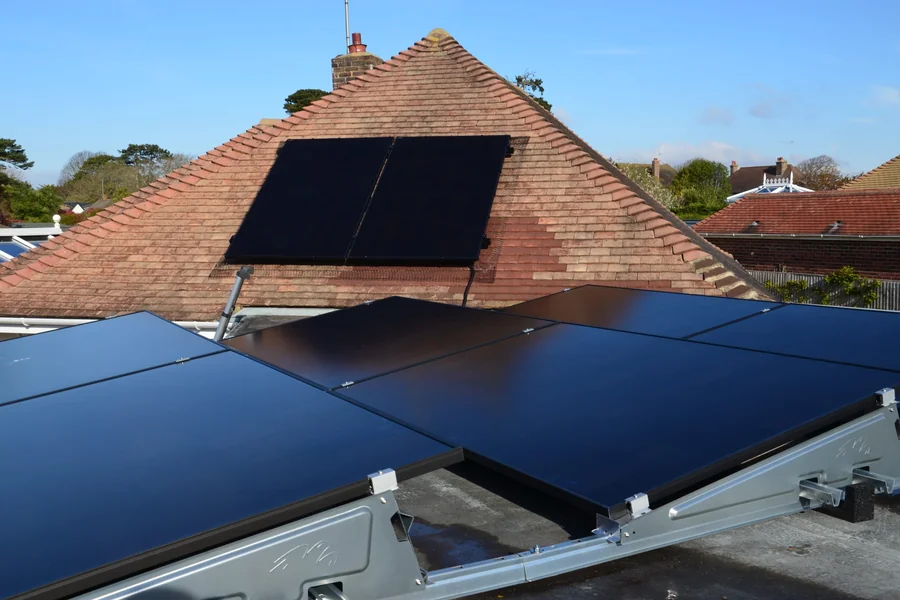
Installing a residential solar system is often viewed as a long-term investment rather than a short-term expense. Homeowners who consider solar energy typically want to understand how long it will take for the system to recover its initial cost through energy savings. This timeframe, known as the payback period, depends on several factors, including installation cost, energy usage, local electricity rates, and available incentives. While the concept is straightforward, the actual calculation can vary widely from one household to another. Understanding how the payback period works helps homeowners evaluate whether solar energy aligns with their financial and energy goals over time.
How Solar Payback Is Calculated
-
Understanding Initial Costs and Installation Factors
The starting point for determining the payback period is the total cost of installing the solar system. This includes expenses for equipment, labor, permits, and any additional components, such as inverters or mounting systems. The size of the system plays a major role in this calculation, as larger systems generally cost more but also generate more electricity. Roof condition, system design, and installation complexity can also influence the overall cost. Homeowners often evaluate multiple options to find a balance between affordability and performance. By understanding these initial expenses, it becomes easier to estimate how long it will take for the system to offset its cost through energy savings.
-
Impact of Energy Savings on Payback Time
Energy savings are a key factor in determining how quickly a solar system pays for itself. Each unit of electricity generated by the system reduces the need to purchase power from the grid, resulting in lower utility bills. The value of these savings depends on local electricity rates and the amount of energy the system produces. In areas with higher energy costs, the payback period may be shorter because the savings accumulate more quickly. Installers, including companies such as North Valley Solar Power near Yuba City, often assess household energy usage to estimate potential savings and provide a clearer picture of payback timelines. Consistent energy production and stable consumption patterns contribute to more predictable financial outcomes.
-
Role of Incentives and Financial Support
Government incentives and financial programs can significantly influence the payback period for residential solar systems. Tax credits, rebates, and other forms of support reduce upfront costs, allowing homeowners to recoup their investment more quickly. These incentives vary by location and may change over time, making it important to consider current programs when evaluating solar options. In addition to direct incentives, some regions offer net metering policies that allow homeowners to receive credit for excess energy sent back to the grid. These credits further enhance savings and shorten the payback period. Understanding how these financial factors interact helps homeowners make more informed decisions about their investment.
-
System Performance and Long-Term Efficiency
The performance of a solar system over time plays a critical role in determining its payback period. Factors such as panel efficiency, system maintenance, and environmental conditions all influence how much energy the system generates. While solar panels are designed to operate for many years, their output may gradually decline. Regular maintenance and proper system design help ensure consistent performance and maximize energy production. By maintaining efficiency, homeowners can achieve a more reliable return on their investment. Long-term performance considerations are essential for understanding how the system will continue to generate savings beyond the initial payback period.
-
Variations Based on Location and Usage Patterns
The payback period for residential solar systems can vary significantly depending on location and individual energy usage. Homes in regions with abundant sunlight typically generate more energy, leading to faster returns. Conversely, areas with less consistent sunlight may experience longer payback periods. Household energy consumption also plays a role, as higher usage levels can result in greater savings when offset by solar production. Seasonal variations and lifestyle changes can further influence these outcomes. By considering these variables, homeowners can develop a more accurate understanding of how their specific situation affects the payback timeline.
A Quick Insight on Solar Payback
The payback period for residential solar systems depends on a combination of installation costs, energy savings, incentives, and system performance. Understanding these factors helps homeowners evaluate the financial impact of solar energy and make informed decisions about long-term investments.
The payback period is an important measure for understanding the financial benefits of residential solar systems. By examining factors such as initial costs, energy savings, incentives, and performance, homeowners can gain a clearer picture of how their investment will evolve. While the exact timeline varies, the long-term value of solar energy often extends well beyond the payback period, providing ongoing savings and energy independence. Taking the time to evaluate these elements ensures that the decision to install solar is both practical and aligned with individual goals, supporting a more sustainable and cost-effective approach to energy use.