
Choosing the Right Cooker Hood in Singapore for Modern Kitchens
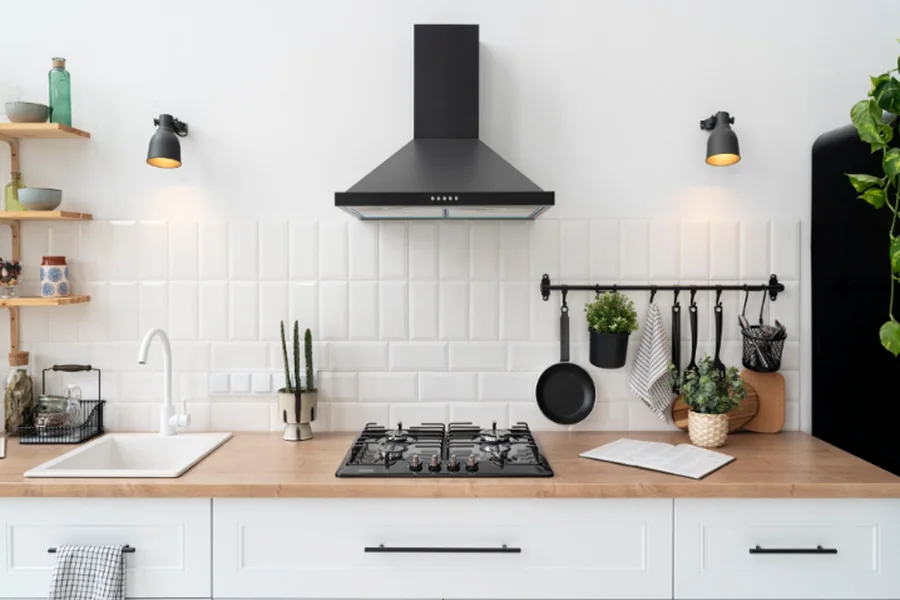
A cooker hood is more than just a kitchen accessory; it is an essential appliance that improves air quality, reduces odours, and prevents grease from accumulating on surfaces. In Singapore’s humid and densely populated environment, a well-functioning cooker hood can make a significant difference in maintaining a clean, comfortable, and healthy kitchen.
Modern kitchens, whether in HDB flats governed by the Housing & Development Board or private condominiums under Urban Redevelopment Authority regulations, often prioritise both aesthetics and efficiency. For those exploring options, the range of models available at https://www.fujioh.com/sg/products/cooker-hoods/ offers detailed specifications and features to help select the ideal cooker hood. Choosing the right cooker hood ensures that your kitchen remains stylish while performing effectively.
Understanding the key considerations before selecting a cooker hood helps homeowners make informed decisions that balance performance, design, and budget.
Types of Cooker Hoods
Cooker hoods come in various designs suited to different kitchen layouts. Wall-mounted hoods are common and typically installed above stoves in kitchens with ample vertical space. They provide strong extraction power and are visually prominent.
Island hoods are suspended above cooking islands, providing ventilation from the centre of open kitchens. They require careful positioning to ensure proper airflow and safety clearance.
Under-cabinet or integrated hoods are ideal for compact kitchens. They are installed beneath cabinets or within cabinetry, maintaining a sleek, minimalistic appearance while providing adequate extraction for everyday cooking.
Extraction Methods
Cooker hoods operate using either ducted or ductless systems. Ducted hoods channel air outside, offering superior ventilation and effectively removing smoke, heat, and odours. They are suitable for homes where exterior venting is feasible.
Ductless hoods, also known as recirculating hoods, filter air through charcoal or grease filters before releasing it back into the kitchen. While convenient for apartments without external venting options, they may require more frequent maintenance and are slightly less effective at removing strong odours.
Selecting the appropriate extraction method depends on your kitchen layout, building regulations, and installation feasibility.
Suction Power and Noise Levels
Suction power, measured in cubic metres per hour (m³/h), determines how effectively a cooker hood removes smoke and odours. For everyday cooking in Singapore homes, a hood with a capacity of 600 to 1,000 m³/h is generally sufficient for standard kitchens.
Noise levels are another consideration. High-powered hoods may generate significant sound, which can be disruptive in open-plan living spaces. Modern models often include multiple fan speeds and noise-reducing features, allowing users to balance ventilation efficiency with comfort.
Size and Coverage
The width of the cooker hood should match or slightly exceed the width of your cooktop. Adequate coverage ensures that smoke, steam, and grease are captured effectively before spreading throughout the kitchen.
For kitchens with multiple burners, a wider hood or one with adjustable fan settings can enhance efficiency. Installing a hood that is too narrow may result in poor extraction and increased cleaning requirements.
Material and Aesthetic Considerations
Cooker hoods are available in stainless steel, tempered glass, and a combination of materials. Stainless steel is durable, easy to clean, and complements most kitchen designs. Glass and sleek integrated models offer a modern, minimalistic look that suits contemporary interiors.
Choosing a design that aligns with your kitchen’s overall aesthetic ensures a harmonious and stylish environment.
Maintenance and Filter Care
Regular maintenance is crucial for cooker hood performance. Grease and charcoal filters need periodic cleaning or replacement to maintain air flow efficiency. Some models feature dishwasher-safe filters, which simplify upkeep.
Neglecting maintenance can reduce suction power, create unpleasant odours, and pose potential fire hazards. Opting for models with accessible and easy-to-clean filters enhances long-term usability.
Energy Efficiency and Features
Modern cooker hoods often include energy-efficient LED lighting to illuminate the cooktop. Advanced models offer features such as automatic fan speed adjustment, touch controls, and remote operation for added convenience.
Energy efficiency reduces electricity consumption and contributes to sustainable home design, which is increasingly valued by Singapore homeowners.
Budget Considerations
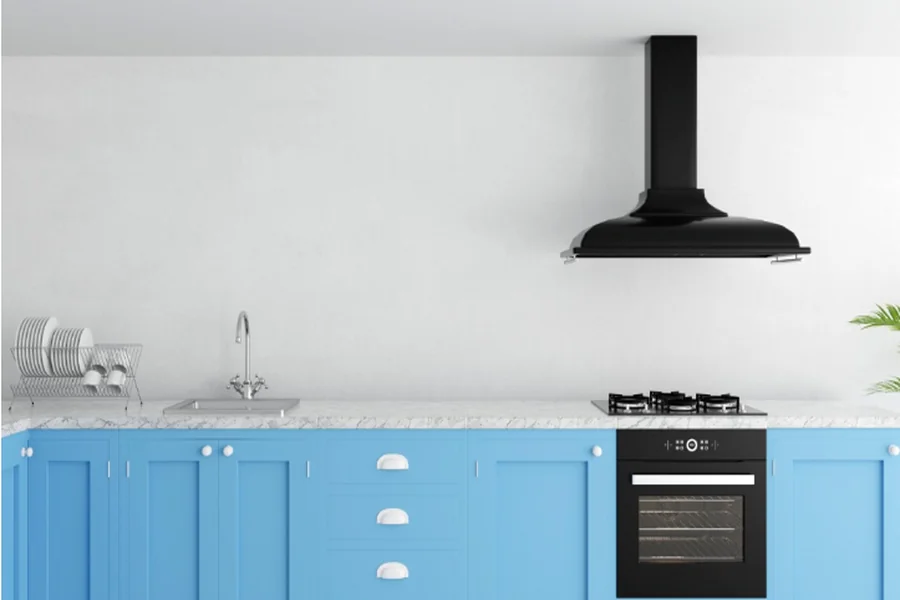
Cooker hood prices in Singapore vary widely depending on brand, type, and features. Wall-mounted hoods with high extraction power may cost more than compact under-cabinet models. While budget is important, prioritising performance, durability, and ease of maintenance ensures long-term satisfaction.
A quality cooker hood may involve a higher initial investment, but it protects kitchen surfaces, improves air quality, and reduces cleaning effort over time.
Conclusion
Choosing the right cooker hood in Singapore involves evaluating type, extraction method, suction power, size, material, and maintenance requirements. A well-selected cooker hood not only enhances kitchen aesthetics but also ensures effective ventilation, creating a cleaner and more comfortable cooking environment.
Proper installation, regular maintenance, and thoughtful selection of features allow homeowners to enjoy the benefits of improved air quality, reduced odours, and a modern kitchen that complements their lifestyle.
Investing in a reliable and efficient cooker hood is a practical decision that combines functionality, design, and long-term convenience.
FAQs
Do I need a ducted or ductless cooker hood?
Ducted hoods are more effective but require exterior venting. Ductless hoods are suitable for kitchens without external venting but may need more frequent filter maintenance.
How often should filters be cleaned or replaced?
Grease filters should be cleaned monthly, while charcoal filters in ductless systems are typically replaced every 6–12 months.
What size hood do I need for my cooktop?
Choose a hood that matches or slightly exceeds the width of your cooktop for optimal coverage.
Are modern cooker hoods noisy?
Noise levels vary by model. Many modern hoods feature adjustable fan speeds and sound-reducing technology for quieter operation.