
How Mummification Practices Differed Across Cultures
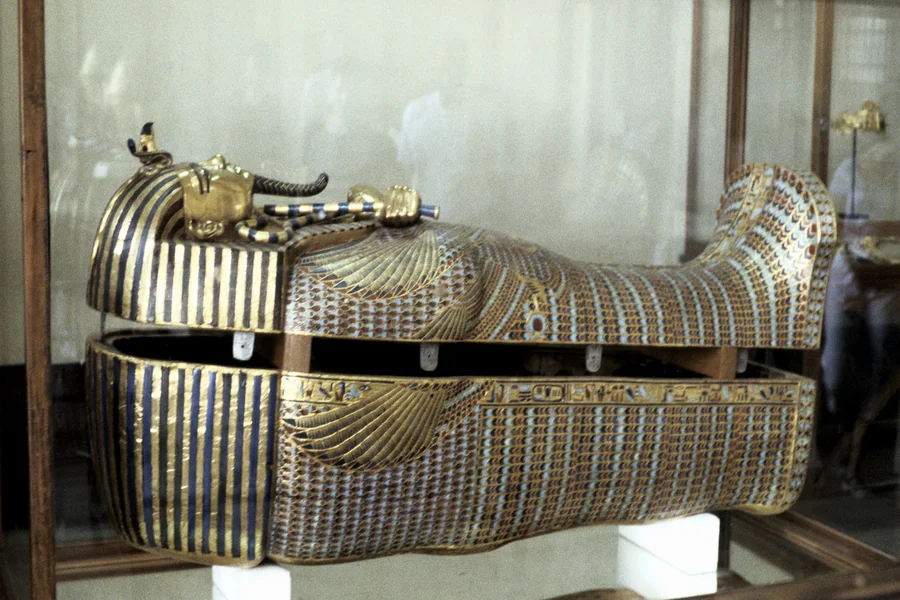
Mummification is often associated with ancient Egypt, yet many cultures across the world developed their own ways of preserving the dead. Landscapes played a powerful role in shaping these practices. In dry deserts, preservation techniques differed greatly from those used in cold, high-altitude regions.
Some societies carefully wrapped bodies, while others relied on smoke, salt, or natural environmental conditions. These traditions were never solely about slowing decay. They reflected deeply held beliefs about the soul, the afterlife, and the enduring bonds between the living and the departed.
By exploring how mummification varied across cultures, we gain insight into how societies understood death, honored their loved ones, and expressed hope for continuity beyond life. Ultimately, the history of mummification tells a profoundly human story, one of care, belief, and remembrance across generations.
What Drove Societies to Preserve Bodies?
You might wonder why anyone would go through such elaborate efforts. The answer lies in understanding the spiritual and cultural forces that shaped mummification across cultures. Nothing about this was accidental.
Mummification practices differed significantly across cultures, shaped by environment, spiritual beliefs, and available techniques. Some societies viewed preservation as a sacred ritual tied closely to the journey into the afterlife, while others treated it as a means of honoring lineage or protecting the body from decay.
In arid regions, deliberate methods emerged to slow decomposition, whereas colder climates often allowed nature itself to assist in preservation. Even today, when researchers visit remote archaeological sites and rely travel esim to remain connected, ongoing discoveries continue to deepen our understanding of how these traditions evolved across civilizations.
Religious Convictions as the Foundation
For most societies, preservation sprang from afterlife theology. Egyptians were convinced the soul required its original body,completely intact, to achieve eternal existence. That’s why they meticulously stored organs in canopic jars.
Here’s a striking detail: research indicates 91% of child mummies came from the Late Period through Roman times (664 BC–395 AD), showing how the practice expanded as religion evolved. Meanwhile, Andean peoples treated ancestor mummies as active family members, literally parading them through villages during celebrations.
Wealth and Social Hierarchies
Money talked, even in death. Egypt’s premium methods demanded serious resources,natron salt, exotic resins, and master embalmers. Wealthy families got the works.
Poor ones? Basic treatment, or they hoped desert conditions would handle the rest naturally. This class divide appeared worldwide, with one stunning exception: Chinchorro culture mummified everyone equally, regardless of bank account.
How Egypt Mastered the Art
Now let’s turn to the civilization that transformed preservation into high art. Ancient Egypt’s techniques remain our most thoroughly documented example of the history of mummification.
The Sacred Seventy-Day Journey
Egyptian embalmers operated on a strict timeline spanning seventy days. Step one involved removing organs through a tiny abdominal cut and extracting brain matter through nasal passages with specialized hooks.
Studies show excerebration occurred in 67% of mummies, with Western Thebes specimens receiving this treatment universally compared to other regions. Bodies then sat buried in natron salt for forty days,total dehydration. Final stages? Cavity stuffing with linen and sawdust, oil anointing, then wrapping in hundreds of yards of linen.
Evolution Over Millennia
Old Kingdom techniques started with simple,desert burial, minimal fuss. By the New Kingdom, embalmers had perfected sophisticated chemical treatments using imported materials. Then something curious happened after 1000 BCE. Instead of storing organs separately, embalmers wrapped them and tucked them back inside the body. Canopic jars became decorative tomb accessories rather than functional storage.
South American Innovation
Egypt dominates popular culture, sure. But the Americas developed equally impressive techniques,some predating Egyptian methods by thousands of years. These cultural differences in mummification shatter our Egypt-focused assumptions.
Chinchorro: The True Pioneers
Chile’s Chinchorro people began intentional mummification around 5000 BC. That’s two millennia before Egypt got started. Their process involved removing organs and skin, then reconstructing bodies using sticks, grass, and clay. They created distinct styles: black mummies (manganese paste coating), red mummies (painted with ochre), and mud-covered versions.
The revolutionary part? Everyone received this treatment,babies, adults, wealthy, poor. That egalitarian approach stands alone in mummification history.
Inca High-Altitude Ceremonies
The Inca practiced capacocha,child sacrifices performed on remote mountain peaks where brutal cold naturally freeze-dried bodies. Modern archaeological discoveries at elevations exceeding 20,000 feet have revealed remarkably intact remains.
Many of these individuals were buried in elaborate ceremonial clothing and surrounded by offerings. Evidence suggests the consumption of coca leaves prior to death, indicating these were carefully orchestrated religious events rather than simple burials.
Patterns Across Continents
After examining specific cultures, we can spot fascinating patterns revealing how geography and beliefs shaped preservation worldwide. These comparisons showcase the stunning diversity within ancient burial rituals.
Geography’s Role
Climate determined possibilities. Egypt’s arid desert assisted natural preservation, which embalmers amplified with natron salt. Northern Europe’s peat bogs accidentally created acidic, oxygen-starved environments that preserved “bog bodies” like Tollund Man.
The Inca leveraged high-altitude freezing conditions. Tropical cultures faced the toughest challenge,heat and humidity speed decay dramatically, so they innovated smoke-curing and rapid processing instead.
Values Made Visible
Mummification practices beautifully mirror social organization. Egyptian class systems meant lavish royal tombs contrasted sharply with modest commoner burials. Chinchorro egalitarianism produced uniform treatment regardless of status.
Japanese Buddhist monks pursued sokushinbutsu,self-mummification through extreme diet and fasting,reflecting beliefs about achieving enlightenment via physical discipline. Torres Strait Islanders preserved only skulls for ancestor veneration, not complete bodies, indicating different spiritual priorities.
Modern Technology Unlocks Ancient Secrets
Contemporary science lets researchers study these remains non-destructively, revolutionizing our grasp of mummification across cultures. We’re uncovering secrets ancient embalmers never imagined we’d discover.
CT Scanning Breakthroughs
CT technology allows researchers to digitally “unwrap” mummies without physical contact,genuinely remarkable. These scans expose organ removal techniques, dental conditions, death causes, and specific wrapping materials.
Twenty-one child mummies recently studied through CT scanning demonstrated sophisticated Egyptian techniques modified for younger subjects, including less invasive brain removal protecting fragile infant skulls.
Fresh Discoveries
As glaciers slowly melt, they are revealing human remains that have rested in ice for hundreds of years. Construction and excavation work also continue to bring hidden tombs back into view. Modern science is helping us understand these discoveries in new ways.
DNA analysis can now uncover ancient family ties and trace how people moved across regions. Chemical studies of resins, oils, and spices show how far trade networks once reached. With every new finding, our picture of the past becomes clearer. Preservation practices were not fixed traditions; they changed over time by environment, culture, and belief.
Final Thoughts on Cultural Preservation Practices
The history of mummification stretches across continents and spans thousands of years, yet exposes universal human longings,honoring the deceased, sustaining ancestral connections, believing something exists beyond physical death. Egyptian embalmers, Chinchorro craftspeople, and Inca priests all chased identical goals through wildly divergent methods shaped by their surroundings and convictions.
Contemporary science keeps revealing their secrets, deepening our appreciation for both technical brilliance and spiritual complexity behind these ancient burial rituals. These preserved individuals aren’t mere museum pieces,they’re profound windows into how our ancestors wrestled with mortality’s deepest mystery.
Common Questions About Ancient Preservation
- How has mummification changed over time?
After about 1000 BCE the practice changed. The internal organs were then generally wrapped and put back into the body or bound with it, or put in boxes rather than being placed in jars. Canopic jars were still placed in the person’s tomb but they were solid or empty and served a symbolic purpose. - How was the difference between body preservation different between poor and wealthy Egyptians?
The best and most expensive methods were used by the wealthy, but there were cheaper alternatives for the poor. Take out the whole contents of the belly and clean the interior with palm-wine and spices. Fill the belly with pure myrrh, cassia and other spices and sew it together again. - Did all cultures remove the brain during mummification?No. Brain removal was primarily Egyptian. Chinchorro cultures removed organs but not always brains. Many cultures like the Inca relied on natural environmental preservation without invasive procedures. Bog bodies retained brains because peat’s chemistry preserved soft tissue differently than deliberate embalming.