
How to Create a Backyard Space Where Family Memories Actually Happen
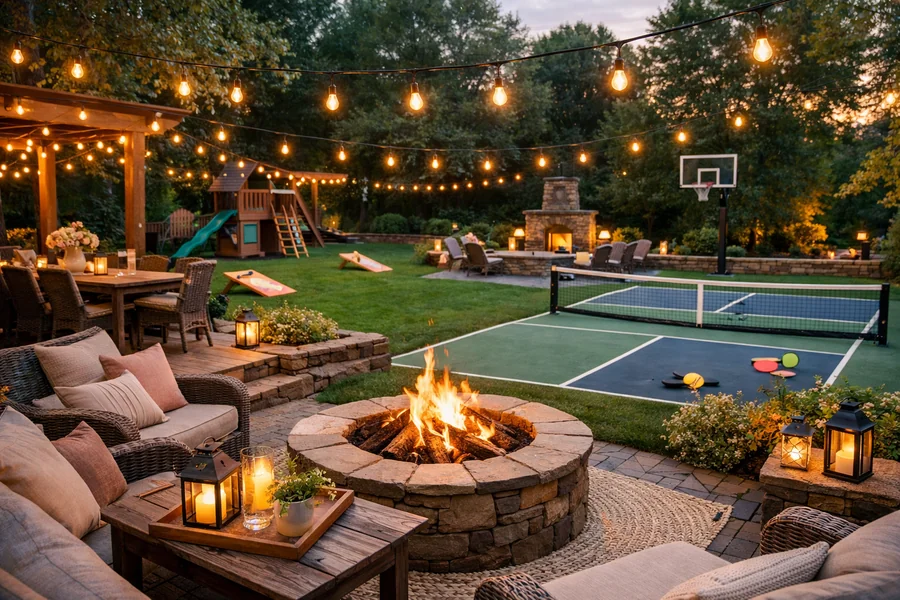
A backyard might look nice and still feel empty.
Even though it has new chairs, neat pavers, string lights, and a barbecue that costs more than anyone would like to admit, hardly anyone stays. The youngsters go back inside. The grown-ups look at their phones. The night ends early, and the place that was supposed to be the center of family life becomes just a backdrop rather than a setting for actual moments.
That’s because memory-making isn’t just about decorating. It was made to be comfortable, easy to move around in, and inviting. People go back to places that feel good to utilize. They stay where there is no friction, where talking, playing, and simple routines happen without any effort.
That is more important now than it used to be. Outdoor living areas remain among the most sought-after amenities in homes, even as families spend less time together and more time on screens. Adults spend hours every day taking care of kids and doing other things, while many kids spend a lot of time on their devices. A backyard today has to be more than just pretty; it has to be a place where people can relax.
The best backyard isn’t the one that looks the most costly. It is the one that discreetly encourages your family to go outside more, stay longer, and do everyday things together until those things become the memories that everyone talks about later. In many cases, that starts with practical choices like heavy-duty commercial outdoor furniture, which withstands daily use, weather changes, and constant movement, making the space feel reliable and ready whenever the family steps outside.
Start With the Feeling, Not the Furniture
Before choosing a table, fire pit, or seating, ask what the space should feel like on a regular weeknight.
Not during a party. Not on a holiday. Just a normal evening.
Maybe the answer is calm. Maybe playful. Maybe slow and warm, with kids drawing in chalk while dinner cooks and someone laughs nearby. That feeling should guide every choice.
Many backyards fail because they are designed like display areas. Chairs feel too formal. Dining setups sit too far from the kitchen. There is nowhere to set down a drink, no shade when the sun drops low, and no place to settle in after dark.
A family backyard works best when it feels forgiving. People should be able to step outside barefoot, carrying snacks or toys, and immediately know where to go.
Build Zones That Invite Natural Activity
A strong backyard usually has more than one purpose, but it should never feel crowded.
Think in simple zones:
- one place to gather
- one place to eat
- one place to move or play
These zones do not need hard borders. A rug, a shift in layout, or the direction chairs face can create a sense of separation.
The gathering zone is where conversations happen. This might be deep seating around a fire feature or a relaxed bench setup. It should feel easy, not stiff.
The eating zone should be practical. If meals outside feel complicated, people stop using the space. Keep it close to the kitchen and make sure seating stays comfortable long after the meal ends.
The open zone is often overlooked. Kids need room to run, and adults benefit from it too. Open plans and spaces allow movement and keep the layout from feeling tight.
Make Comfort So Easy That People Stay
Families staying outside when leaving feels unnecessary.
Comfort shapes that decision. Shade, airflow, lighting, and seating all play a role. Even noise levels matter. If the environment feels harsh, people drift away quickly.
Outdoor living design has shifted toward usability. Spaces that blend indoor comfort with outdoor openness are now preferred because they support real daily use.
Small details make the difference:
- a place to set down drinks near every seat
- shade during peak sun
- soft lighting for evenings
- easy access to cushions or blankets
When these details are missing, people notice, even if they cannot explain why.
Create Reasons to Return Again and Again
Repetition makes memories stronger. A backyard is useful when it helps with modest tasks.
It could be breakfasts outside on the weekends. Maybe it’s snacking at night when it’s warm. It could be a basic outdoor movie scene. These habits don’t have to be hard; they just have to happen a lot.
A simple table for games or meals can be more important than a feature that isn’t utilized very often. A tiny, open area for play can become the most popular portion of the space.
Improvements made outside always make the residence more enjoyable. People naturally spend more time in places that seem comfortable and useful.
Give Every Age Group a Place in the Story
The best backyards work for everyone.
Small children need safe, visible areas. Older kids want space to move. Teenagers need seating where they can relax without feeling watched. Adults need comfort. Older visitors need stability and ease.
This does not require separate zones for each group. It is about overlap.
A dining table can become a homework spot. A bench can shift from seating to play space. A quiet corner can host conversations later in the evening.
When everyone can imagine themselves in the space, it starts to feel complete.
Let Imperfection Be Part of the Design
Some of the most popular outdoor areas aren’t perfect. They are busy.
There may be toys lying around, cushions that aren’t quite right, or traces of everyday use. That’s one of the things that makes the space feel real.
People pause when they feel like everything is excessively regulated. They are afraid of making a mistake or messing up the arrangement.
Pick materials that can handle everyday use. Make upkeep easy. People feel better when the room can handle spills, noise, and weather. Relaxed people remain longer.
Where the Best Evenings Begin
Big plans don’t often start family memories.
Someone going outside, someone else bringing snacks, a child initiating a game, or a calm period that lasts longer than planned are all good ways to start.
That is the goal. Not the best backyard, but one that works. A place that makes being together feel effortless and natural.
When comfort, habit, and flexibility come together, the backyard stops being extra space and becomes a part of everyday life. That is where the best memories are made, slowly and without any effort.