
99 Riddles For Middle Schoolers – Questions That Watch You Think
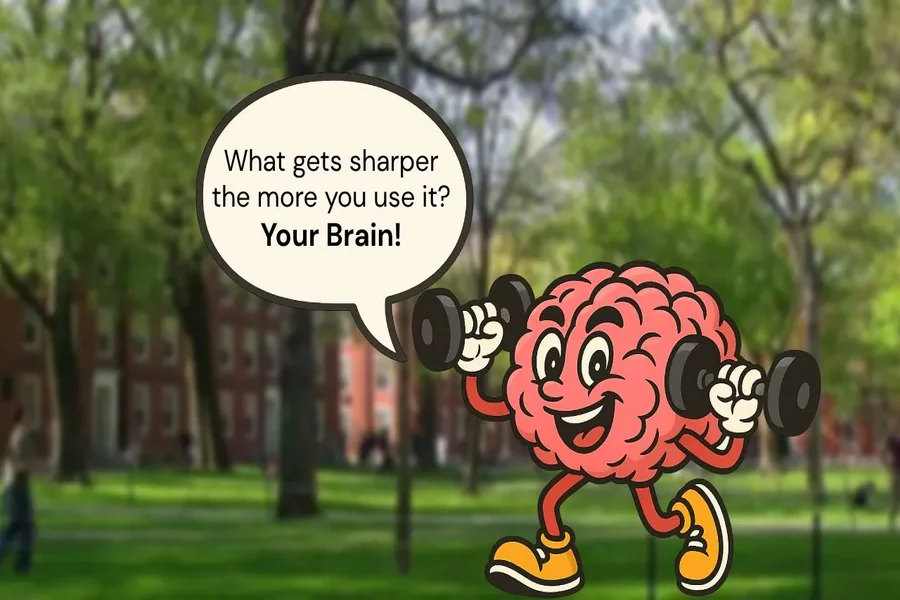
The moment childhood curiosity starts to sharpen into real reasoning, the mind becomes a dangerous place. Middle school is where thoughts begin to question rules, patterns, and assumptions that once felt safe. Riddles thrive in this space. They look simple, even playful, but each one is a mental trap waiting for impatience. Riddles For Middle Schoolers do not rely on tricks or jokes. They rely on observation, logic, and the ability to sit with uncertainty. Every question below asks the reader to slow down and notice what is usually ignored. Some answers will feel obvious only after they are revealed, which is the most unsettling part. That delay between question and realization is where thinking changes. These riddles are not here to entertain. They are here to expose how the mind jumps, guesses, and sometimes fails before it learns to see clearly.
1.
Riddle:
What has keys but no locks and space but no room?
Answer:
A keyboard
2.
Riddle:
What increases the more you remove from it?
Answer:
A hole
3.
Riddle:
What can be seen once in a second twice in a moment and never in a year?
Answer:
The letter M
4.
Riddle:
What has a head a tail but no body?
Answer:
A coin
5.
Riddle:
What can move faster than anything but has no shape?
Answer:
Thought
6.
Riddle:
What is always coming but never arrives?
Answer:
Tomorrow
7.
Riddle:
What has a face but cannot see?
Answer:
A clock
8.
Riddle:
What runs without legs and flows without rest?
Answer:
Time
9.
Riddle:
What can be broken without being touched?
Answer:
A promise
10.
Riddle:
What has an end but no beginning?
Answer:
A circle
11.
Riddle:
What follows you everywhere but disappears in darkness?
Answer:
Your shadow
12.
Riddle:
What has words but never speaks the truth by itself?
Answer:
A rumor
13.
Riddle:
What is lighter than air but cannot be held?
Answer:
Breath
14.
Riddle:
What has a spine but no bones and knowledge but no mind?
Answer:
A book
15.
Riddle:
What can fill a space but leaves no trace?
Answer:
Sound
16.
Riddle:
What has a lock but no key and grows without asking?
Answer:
Hair
17.
Riddle:
What moves forward but stays in the same place?
Answer:
A clock
18.
Riddle:
What has a voice but no mouth and repeats what it hears?
Answer:
An echo
19.
Riddle:
What has a beginning middle and end but no time?
Answer:
The alphabet
20.
Riddle:
What can be shared but not kept?
Answer:
A secret
21.
Riddle:
What has a body but no organs?
Answer:
A car
22.
Riddle:
What has many paths but chooses none?
Answer:
A map
23.
Riddle:
What has an eye but cannot see and a point but cannot aim?
Answer:
A needle
24.
Riddle:
What disappears the moment you name it?
Answer:
Silence
25.
Riddle:
What has weight but no mass?
Answer:
Guilt
26.
Riddle:
What has a mouth but never lies?
Answer:
A cave
27.
Riddle:
What is full yet empty at the same time?
Answer:
A mirror
28.
Riddle:
What can travel around the world without moving?
Answer:
A rumor
29.
Riddle:
What has a heart that never beats?
Answer:
A deck of cards
30.
Riddle:
What gets sharper the more you use it?
Answer:
Your mind
31.
Riddle:
What has doors but no rooms?
Answer:
A calendar
32.
Riddle:
What has a bottom at the top?
Answer:
Your legs
33.
Riddle:
What has lines but no words?
Answer:
Music
34.
Riddle:
What can you hold without using your hands?
Answer:
Your breath
35.
Riddle:
What has a back but no front?
Answer:
A chair
36.
Riddle:
What has a ring but no finger?
Answer:
A phone
37.
Riddle:
What exists only when it is measured?
Answer:
Time
38.
Riddle:
What has a shadow but no shape?
Answer:
Darkness
39.
Riddle:
What has a key but opens no door?
Answer:
A musical note
40.
Riddle:
What has a head but no brain?
Answer:
A nail
41.
Riddle:
What has a tail but cannot wag?
Answer:
A comet
42.
Riddle:
What has a frame but no picture?
Answer:
A doorway
43.
Riddle:
What has pages but no story?
Answer:
A notebook
44.
Riddle:
What has a bridge but no river?
Answer:
A nose
45.
Riddle:
What has numbers but no math?
Answer:
A license plate
46.
Riddle:
What has a base but no building?
Answer:
A baseball field
47.
Riddle:
What has a point but no direction?
Answer:
A pencil
48.
Riddle:
What has a shell but no life?
Answer:
A computer program
49.
Riddle:
What has a lid but no container?
Answer:
An eye
50.
Riddle:
What has a start but no finish?
Answer:
Learning
51.
Riddle:
What has a net but catches nothing?
Answer:
The internet
52.
Riddle:
What has a mark but no meaning?
Answer:
A scar
53.
Riddle:
What has a handle but no grip?
Answer:
A username
54.
Riddle:
What has a voice but never speaks first?
Answer:
A reply
55.
Riddle:
What has a path but no feet?
Answer:
A file directory
56.
Riddle:
What has a body but no soul?
Answer:
A robot
57.
Riddle:
What has a tip but no finger?
Answer:
A pen
58.
Riddle:
What has a core but no fruit?
Answer:
The Earth
59.
Riddle:
What has a face but never changes expression?
Answer:
A coin
60.
Riddle:
What has a light but no heat?
Answer:
The moon
61.
Riddle:
What has a cover but no protection?
Answer:
A book cover
62.
Riddle:
What has a head start but no race?
Answer:
An idea
63.
Riddle:
What has a lock but no door and disappears over time?
Answer:
A memory
64.
Riddle:
What has a voice but no opinion?
Answer:
A recording
65.
Riddle:
What has a form but no substance?
Answer:
A shadow
66.
Riddle:
What has a past but no future?
Answer:
History
67.
Riddle:
What has a pulse but no heart?
Answer:
Electricity
68.
Riddle:
What has a shape but no weight?
Answer:
A reflection
69.
Riddle:
What has a start button but no movement?
Answer:
A video
70.
Riddle:
What has a name but no identity?
Answer:
A variable
71.
Riddle:
What has a frame but no structure?
Answer:
An outline
72.
Riddle:
What has a mouth but no hunger?
Answer:
A river
73.
Riddle:
What has a signal but no sound?
Answer:
A traffic light
74.
Riddle:
What has a shell but no animal?
Answer:
A command prompt
75.
Riddle:
What has a head but no thoughts?
Answer:
A headline
76.
Riddle:
What has a key but no lock and reveals truth?
Answer:
A solution
77.
Riddle:
What has a beginning but no origin?
Answer:
A story
78.
Riddle:
What has a limit but no wall?
Answer:
Patience
79.
Riddle:
What has a point but no argument?
Answer:
A needle
80.
Riddle:
What has a route but no destination?
Answer:
A habit
81.
Riddle:
What has a memory but forgets nothing?
Answer:
A computer
82.
Riddle:
What has a shape but no edges?
Answer:
A thought
83.
Riddle:
What has a mark but no pen?
Answer:
A fingerprint
84.
Riddle:
What has a copy but no original?
Answer:
A backup
85.
Riddle:
What has a record but no sound?
Answer:
A file
86.
Riddle:
What has a place but no location?
Answer:
Imagination
87.
Riddle:
What has a line but no phone?
Answer:
A queue
88.
Riddle:
What has a count but no numbers?
Answer:
Time
89.
Riddle:
What has a shadow that changes but never leaves?
Answer:
The mind
90.
Riddle:
What has a key but no lock and starts everything?
Answer:
A question
91.
Riddle:
What has a form but no face?
Answer:
An idea
92.
Riddle:
What has a track but no train?
Answer:
A memory
93.
Riddle:
What has a boundary but no fence?
Answer:
A rule
94.
Riddle:
What has a voice but no choice?
Answer:
A narrator
95.
Riddle:
What has a center but no edge?
Answer:
A target
96.
Riddle:
What has a pattern but no plan?
Answer:
Coincidence
97.
Riddle:
What has a start but no stop?
Answer:
Curiosity
98.
Riddle:
What has a path but no direction?
Answer:
A process
99.
Riddle:
What has an answer but no question?
Answer:
A fact
When the last riddle settles, something lingers. Middle school is the age where thinking stops being automatic and starts becoming intentional. These questions did not demand speed. They demanded attention. That is why they feel unsettling. Each riddle quietly exposed how often the mind assumes instead of examines. The answers did not feel powerful because they were clever. They felt powerful because they were precise. The darkness here is subtle. It is the realization that understanding requires effort, and that most confusion comes from rushing past details. Once that awareness appears, it does not fade. The riddles end, but the habit remains. Every problem after this feels heavier, slower, and sharper. That is how thinking grows.