
Seasonal Pest Problems Homeowners Should Watch For
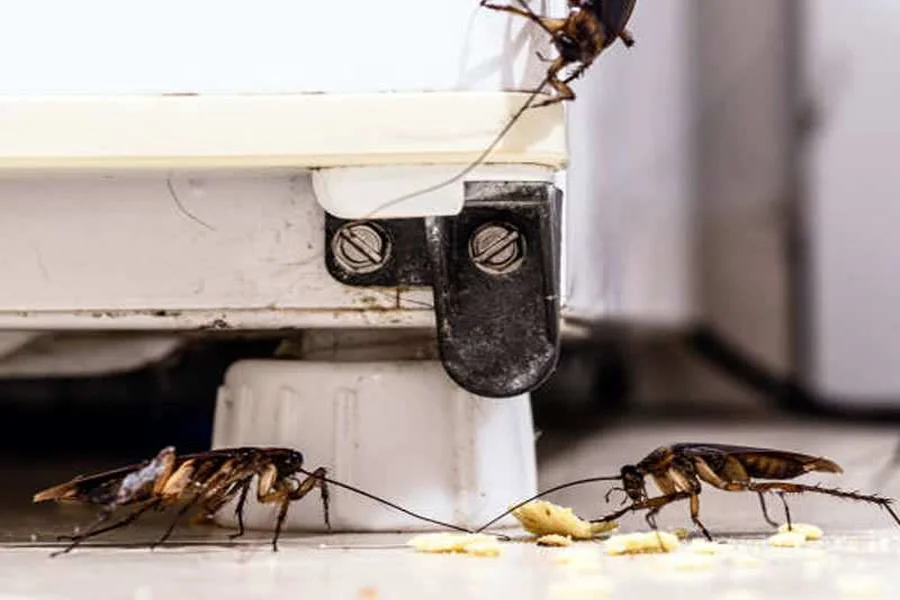
Every season brings its own set of challenges for homeowners, and pest problems are among the most persistent. As temperatures shift and weather patterns change, different pests become more active, seeking shelter, food, and breeding grounds inside and around homes. From the resurgence of ants in spring to the invasion of rodents in winter, understanding these seasonal trends is crucial for maintaining a comfortable and healthy living environment. By staying informed about which pests are most likely to appear during each part of the year, homeowners can take proactive steps to prevent infestations and protect their property from damage and health risks.
What to Expect Each Season
Spring: Awakening of Insects and Rodents
As winter fades and temperatures begin to rise, many pests that have been dormant or less active during the colder months start to reappear. Spring is a time of renewal not just for plants and animals, but also for insects and rodents. Ants are among the first to become active, often entering homes in search of food and water. Termites also begin their swarming season in spring, which can lead to significant structural damage if not addressed promptly. Rodents, such as mice and rats, may have taken refuge indoors during the winter and can become more noticeable as they search for new nesting sites or food sources. The increased moisture from spring rains can also attract pests like mosquitoes and carpenter ants, both of which can pose health risks and cause property damage. Homeowners should be vigilant during this season, sealing entry points and keeping food stored securely to minimize the chances of an infestation.
Summer: Peak Activity for Many Pests
Summer is the season when pest activity reaches its peak. The warm weather and longer days create ideal conditions for a wide variety of insects and other pests to thrive. Mosquitoes become a major concern, especially in areas with standing water, as they breed rapidly and can transmit diseases. Wasps and hornets are also more active, building nests in eaves, attics, and trees around homes. Cockroaches, which prefer warm and humid environments, may invade kitchens and bathrooms in search of food and moisture. Fleas and ticks are prevalent during summer, posing risks to both pets and humans. This is also the time when bed bugs can become a significant issue, particularly for those who travel or have guests staying over. For residents in Utah, bed bug treatment Salt Lake City is a common search as people look for effective ways to manage these persistent pests. Regular cleaning, prompt removal of standing water, and careful inspection of luggage and clothing after travel can help reduce the risk of summer pest infestations.
Fall: Preparing for Cooler Weather
As the days grow shorter and temperatures begin to drop, many pests start preparing for the colder months ahead. Rodents, in particular, become more aggressive in their search for warm shelter, often finding their way into basements, attics, and wall voids. Spiders are also more noticeable in the fall, as they move indoors to escape the cooling weather and to find mates. Stink bugs and boxelder bugs may congregate on the sunny sides of homes before sneaking inside through cracks and gaps. This is a critical time for homeowners to inspect their property for potential entry points and to make necessary repairs. Sealing gaps around windows and doors, repairing screens, and keeping outdoor lights to a minimum can help deter these pests. Fall is also a good time to clean up yard debris and store firewood away from the house, as these can provide shelter for insects and rodents looking for a place to overwinter.
Winter: Rodents and Overwintering Insects
During the winter months, most insects become inactive or die off, but some pests remain a concern for homeowners. Rodents are the primary issue during this season, as they seek warmth and food inside homes. Mice and rats can squeeze through surprisingly small openings, making it essential to keep all potential entry points sealed. Once inside, they can cause significant damage by gnawing on wires, insulation, and stored items. In addition to rodents, some insects such as cockroaches and spiders may continue to be active indoors, especially in heated environments. Overwintering insects like cluster flies and ladybugs may also be found in attics or wall voids, emerging on warmer days. Maintaining a clean and clutter-free home, storing food in airtight containers, and regularly checking for signs of pest activity can help minimize winter pest problems. Homeowners should also be cautious when bringing firewood indoors, as it can harbor insects that are dormant but will become active once inside.
Quick Tips for Year-Round Prevention
Consistent maintenance and vigilance are key to keeping pests at bay throughout the year. Simple actions like sealing cracks, keeping food stored properly, and maintaining a tidy yard can make a significant difference in preventing infestations. Setting up these home defenses limits structural vulnerabilities, but professional interventions are often needed to break active pest life cycles completely. Implementing localized strategies like pest control bentonville can help residents proactively secure property perimeters against regional insect habits. These ongoing precautions support long-term indoor sanitation and lower the chance of recurring seasonal invasions. Regular inspections and prompt attention to any signs of pest activity will help ensure a comfortable and healthy home environment.
Conclusion
Seasonal pest problems are a reality for homeowners, but understanding the patterns and behaviors of common pests can make prevention and control much more manageable. Each season brings its own set of challenges, from the resurgence of insects in spring and summer to the increased activity of rodents in fall and winter. By staying alert to these seasonal trends and taking proactive steps to secure your home, you can reduce the risk of infestations and protect your property and family. Regular maintenance, cleanliness, and timely intervention are essential strategies for keeping your home pest-free all year long. With the right approach, homeowners can enjoy each season without the added stress of unwanted pests.