
Understanding the International Baccalaureate Diploma Programme
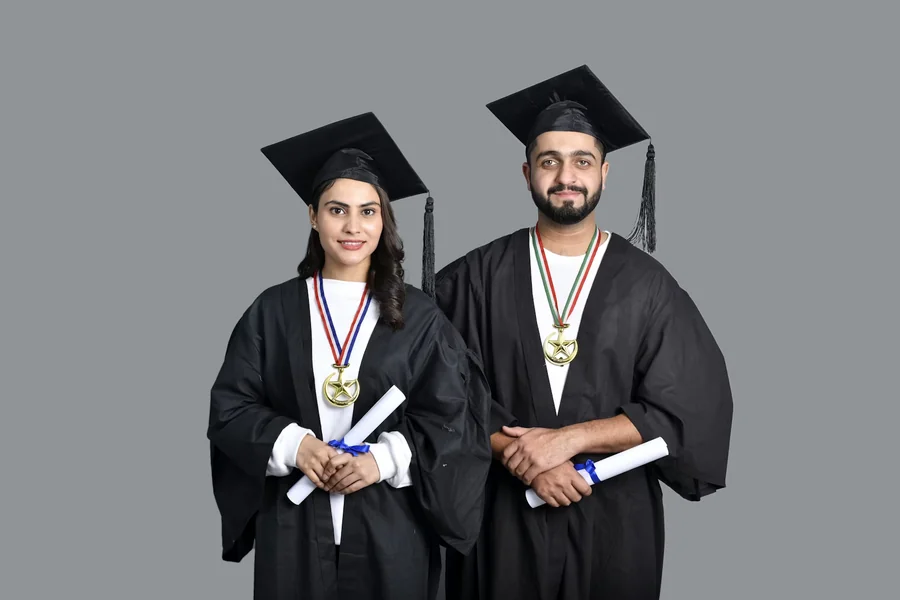
The International Baccalaureate Diploma Programme (IBDP) is widely recognised as a demanding and comprehensive educational path for students in the final two years of secondary schooling. Many students pursue the IB diploma to gain a globally recognised qualification that enhances university prospects and fosters well-rounded development. Known simply as the IB diploma, it provides a structured curriculum that prepares students for university-level study while encouraging them to develop analytical skills, global awareness, and personal growth. The programme combines six academic subjects with a set of core requirements, forming a curriculum designed to challenge and engage students at multiple levels.
Structure of the Programme
The IB diploma programme divides its curriculum into six subject groups. Students select courses from each group, which offers both a broad educational experience and the chance to focus on particular areas of interest. These groups include language and literature, language acquisition, individuals and societies, sciences, mathematics, and the arts.
Within these groups, students have the flexibility to tailor their choices according to their strengths and future academic goals. Three subjects are typically studied at a higher level, involving more extensive instruction and assessment, while the remaining courses are undertaken at a standard level. This combination allows students to explore areas of particular interest in greater depth while maintaining a balanced academic workload.
Core Requirements
In addition to the six academic subjects, the diploma incorporates three core components that aim to cultivate research skills, critical thinking, and personal growth. These are the Extended Essay (EE), Theory of Knowledge (TOK), and Creativity, Activity, and Service (CAS). Each component encourages students to engage with learning beyond conventional classroom boundaries.
Extended Essay (EE)
The Extended Essay is a self-directed research project resulting in a paper of up to 4,000 words. Students select a topic that captivates them and investigate it with independence and analytical depth. This process enhances academic writing, research methodology, and the ability to formulate coherent arguments, providing preparation for university-level research.
Theory of Knowledge (TOK)
The Theory of Knowledge course challenges students to examine the nature and limitations of knowledge. Through discussion and reflection, learners explore different ways of knowing and consider multiple perspectives when evaluating information. This component encourages thoughtful engagement with complex questions and nurtures an appreciation for reasoning and inquiry across various disciplines.
Creativity, Activity, Service (CAS)
CAS requires students to take part in activities that extend learning into practical contexts. Through creative projects, physical pursuits, and community service, students explore personal interests and contribute to society. This element fosters adaptability, empathy, and practical problem-solving skills, allowing students to connect academic knowledge with real-world experiences.
Assessment and Evaluation
Assessment within the diploma programme combines internal and external evaluations to offer a comprehensive view of student achievement. External assessments generally consist of examinations taken at the conclusion of the programme, while internal assessments include ongoing work such as essays, oral presentations, and laboratory projects. This blend of evaluation methods provides a balanced appraisal of students’ intellectual capabilities and application of skills.
Global Recognition and Opportunities
The IB diploma enjoys recognition from universities worldwide, valued for its rigour and the breadth of competencies it develops. Completion of the programme often strengthens university applications, as students are prepared to meet the academic and intellectual demands of higher education. The programme’s global perspective encourages students to engage with issues beyond their local context, equipping them with knowledge and skills that have international relevance.
Skill Development and Personal Growth
Beyond academic achievement, the diploma programme prioritises the development of critical thinking and independent learning. Students are encouraged to examine problems methodically, reflect on their decision-making, and engage with ethical considerations. Experiences through the CAS component, research projects, and TOK discussions contribute to personal growth, helping students become conscientious and adaptable individuals capable of thoughtful participation in society.
Challenges and Advantages
The diploma programme demands significant commitment, as students manage multiple subjects alongside core requirements and extracurricular activities. This workload cultivates resilience and organisational skills, which are beneficial for academic pursuits and future professional responsibilities. Many students who complete the programme report that the challenges it presents offer distinctive advantages, including confidence in independent study and preparedness for rigorous university programmes.
Academic Rigour and Flexibility
The structure of the IB diploma combines demanding coursework with the flexibility to pursue individual interests. Students have the opportunity to balance arts and sciences while tailoring the curriculum to their strengths. This flexibility allows learners to engage deeply with subjects they find compelling, maintaining a comprehensive educational experience.
Time Management and Personal Responsibility
Managing the diverse components of the programme requires careful planning and effective time management. Students develop strategies for prioritising tasks, meeting deadlines, and balancing academic responsibilities with creative and service-orientated activities. These skills often remain valuable beyond the programme, supporting both higher education and professional development.
Community and Support Networks
Although challenging, the diploma programme provides students with access to a supportive environment. Teachers, advisors, and peers collaborate to create an atmosphere of shared learning and mutual encouragement. This community fosters respect, cooperation, and constructive feedback, contributing to the development of interpersonal skills and emotional intelligence alongside academic growth.
Conclusion
The International Baccalaureate Diploma Programme offers a thorough educational experience that combines academic depth with opportunities for personal development. Through a combination of rigorous subjects and core components, students engage with research, ethical reflection, and practical application of knowledge. Recognition by universities worldwide highlights the programme’s value in preparing students for future studies and professional paths. By balancing academic demands with personal growth and practical engagement, the IB diploma equips students with skills, knowledge, and perspectives that support lifelong learning and meaningful contributions to society.