
The Evolution of Sofa Design in Modern Living Spaces
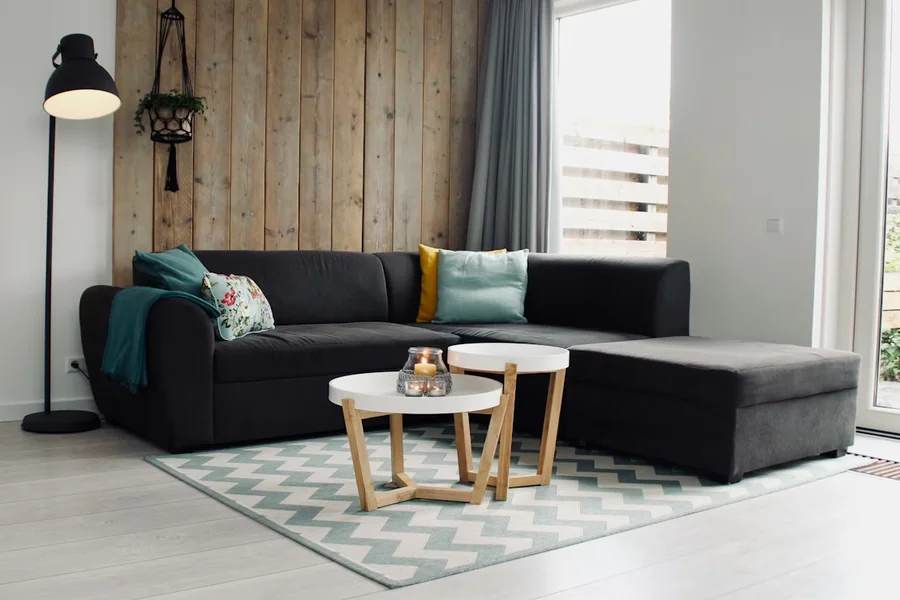
Modern living spaces have become expressions of identity, where functionality and design work together to shape everyday comfort. Among all furniture pieces, the sofa plays a central role in defining both the aesthetic and practical character of a living room. Over time, sofa design has evolved significantly, shaped by changes in lifestyle, technology, and material innovation. Contemporary examples, such as the HipVan sofa, reflect this progression by combining practicality with modern design suited to today’s households.
Materials and Craftsmanship
Sofa design is shaped by the careful selection of materials that balance durability, comfort, and aesthetics. Traditionally, hardwood has been used for sofa frames due to its strength and ability to support long-term use. This structural foundation ensures stability and extends the lifespan of the furniture.
Leather has historically been a preferred upholstery material because of its durability and refined appearance. It is resistant to wear and develops character over time, making it suitable for both traditional and modern interiors.
In recent decades, synthetic materials have become widely adopted in sofa production. Fabrics such as polyester and microfibre offer practical benefits, including stain resistance, affordability, and ease of maintenance. These materials are particularly suitable for households with children or pets, where furniture is subject to more frequent use and potential wear.
The combination of traditional craftsmanship and modern materials has expanded design possibilities, allowing manufacturers to create sofas that meet diverse consumer needs without compromising quality or comfort.
Ergonomics and Comfort
As design philosophy has shifted toward human-centred approaches, ergonomics has become a key consideration in sofa development. Modern sofas are designed to support natural body posture and reduce physical strain during prolonged sitting.
Ergonomic design focuses on aligning the seating structure with the natural curve of the spine while distributing body weight evenly. This helps reduce pressure points and improves overall comfort. The introduction of advanced cushioning materials, such as high-density foam and memory foam, has significantly enhanced the seating experience. These materials adapt to the shape of the user’s body, offering personalised support and improved comfort over time.
This focus on ergonomics has influenced both fixed and modular sofa designs, ensuring that comfort remains a priority regardless of style or configuration.
Modular and Multi-Functional Designs
One of the most significant developments in modern sofa design is modularity. Modular sofas are composed of individual sections that can be rearranged to suit different room layouts and user preferences. This flexibility makes them suitable for a wide range of living spaces, from large homes to compact urban apartments.
Modular systems allow homeowners to adapt their furniture as needed, whether for entertaining guests, creating additional seating, or changing room layouts. This adaptability has made modular sofas increasingly popular in modern interior design.
In addition to modularity, multi-functional sofas have gained prominence. These include sofa beds, storage-integrated sectionals, and convertible seating systems. Such designs address the growing demand for space efficiency, particularly in urban environments where living space is limited. By combining multiple functions in a single piece of furniture, these sofas enhance practicality without sacrificing comfort or style.
Sustainability in Sofa Production
Environmental awareness has become an important influence in furniture manufacturing. The sofa industry has responded by adopting more sustainable materials and production methods. Manufacturers are increasingly using responsibly sourced wood, recyclable components, and biodegradable materials in their designs.
Upholstery options have also evolved to include organic fabrics and recycled textiles. These materials reduce environmental impact while maintaining durability and comfort. In addition, designing sofas with longer lifespans helps reduce waste by decreasing the frequency of replacement.
Sustainability has therefore become an integral part of modern sofa design, reflecting broader global efforts to reduce environmental impact across industries.
Technological Integration
Advancements in technology have introduced new possibilities in sofa design. Modern sofas are increasingly incorporating features that enhance convenience and connectivity. These include built-in USB charging ports, wireless charging surfaces, and integrated sound systems.
Such features reflect changing lifestyle needs, where furniture is expected to support digital devices and connected living. The integration of technology into sofas demonstrates how traditional furniture is adapting to modern expectations, blending relaxation with functionality in a seamless way.
Styles and Contemporary Trends
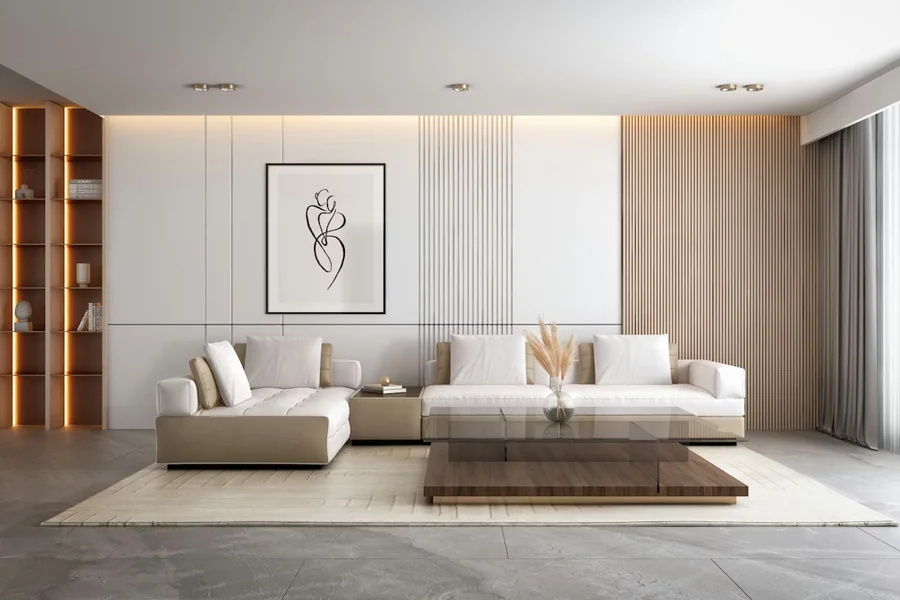
Sofa design today is highly diverse, offering styles that range from minimalistic to traditional. Contemporary designs often focus on clean lines, simple forms, and neutral colour palettes. These styles prioritise functionality and blend easily with modern interior themes.
In contrast, traditional designs continue to emphasise decorative details, textured fabrics, and more structured forms. These styles appeal to those who prefer classic aesthetics and timeless design elements.
Current trends often combine neutral base colours with bold accent pieces such as cushions or throws. This approach allows for flexibility in personalising interior spaces without replacing major furniture pieces. Fabric selection also plays a significant role, with both natural and synthetic materials being used depending on durability, comfort, and maintenance requirements.
Conclusion
The evolution of sofa design reflects broader changes in society, including shifts in lifestyle, technological advancement, and environmental awareness. From early handcrafted seating to modern multifunctional systems, sofas have developed into essential elements of contemporary living spaces.
Today’s designs, including adaptable models such as the HipVan sofa, demonstrate how comfort, practicality, and style can coexist within a single piece of furniture. As innovation continues, sofa design is expected to further evolve, responding to the changing needs of modern households while maintaining its role as a central feature of home living.